

Introduction
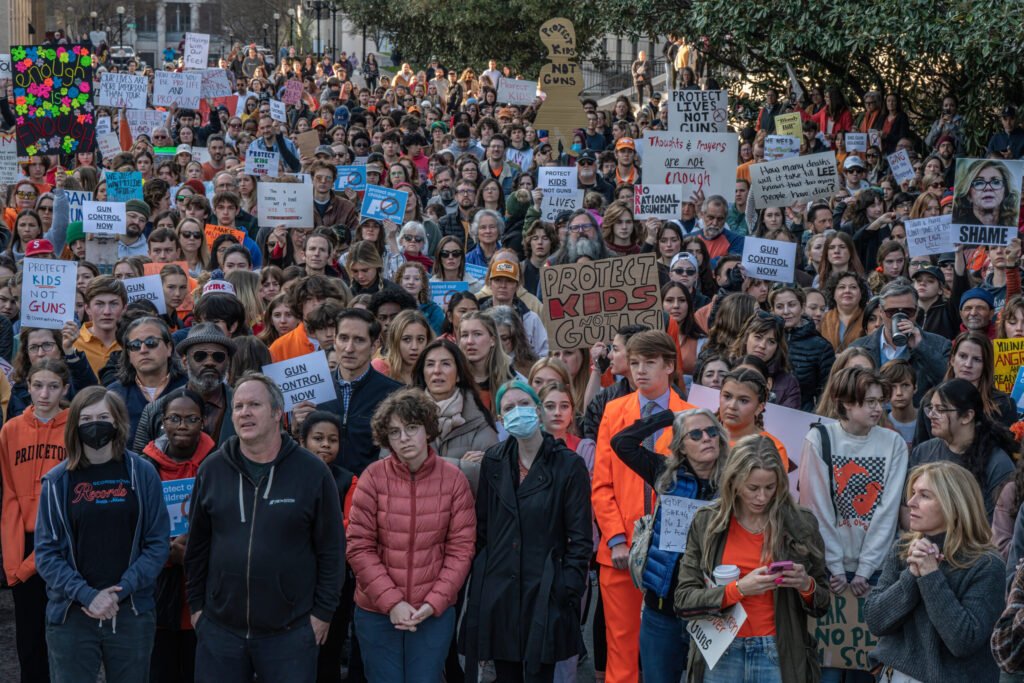
Have you ever been caught up in the energy of a crowd, chanting in nashville protest unison, waving signs high, and feeling like your voice actually matters? That’s the essence of a protest, and Nashville has seen its share of them over the years. From marches advocating for social justice to rallies for political change, the city has become a hub for civic action. But to truly understand a Nashville protest, it’s not just about the spectacle—it’s about the stories, the emotions, and the ripple effect it has on both the participants and the community.
You might think nashville protest are chaotic, maybe even intimidating, but when you look closer, you realize they’re deeply human. People showing up, taking a stand, and demanding change—it’s inspiring, and yes, it’s complicated. In this article, we’ll explore what Nashville protests really involve, why they matter, and how you can engage safely and effectively if you ever find yourself in the midst of one.
The History of Protests in Nashville
Early Movements
Nashville’s history of protests is rich and varied. One of the most notable early movements took place during the Civil Rights era. Sit-ins, marches, and demonstrations were not just events—they were lifelines for communities demanding equality. At that time, courageous individuals challenged the status quo, often at great personal risk. The courage they displayed still resonates today, reminding us that civic engagement can change the course of history.
Modern Protests
Fast forward to the 21st century, and Nashville continues to be a stage for activism. From environmental concerns to police accountability, residents are increasingly vocal about the issues that matter most. What’s interesting is how social media has amplified these voices, turning local protests into nationally recognized movements. You’ll see the hashtag #NashvilleProtest trending as people share live updates, photos, and personal stories. It’s a different world than the past, but the spirit of standing up for justice remains the same.
Why People Protest in Nashville
Fighting for Social Justice
Social justice is one of the main drivers behind Nashville protests. Whether it’s advocating for racial equality, LGBTQ+ rights, or economic fairness, people gather to make their concerns visible. Trust me, it’s not just about shouting slogans—it’s about storytelling, building solidarity, and creating a sense of community around a shared cause.
Environmental Activism
Another major reason people take to the streets in Nashville is environmental activism. With climate change affecting local ecosystems, activists are raising awareness about issues like urban pollution, clean energy, and sustainable living. Imagine a group of passionate individuals marching through downtown, each person holding a sign highlighting an environmental statistic—you can feel the urgency, and it’s contagious.
Political Change
Political rallies are also common. Citizens gather to support candidates, oppose policies, or demand accountability from elected officials. In Nashville, the political landscape is dynamic, and protests are often a direct reflection of public sentiment. It’s fascinating to watch democracy in action, with people using their voices to shape the future.
What Happens at a Nashville Protest
Planning and Organization
Before any protest, there’s usually a lot of planning involved. Organizers coordinate logistics, obtain permits, and create safety plans. You might be surprised, but a well-organized protest can be remarkably peaceful and effective. Volunteers often play a huge role, handing out water, providing first aid, or guiding attendees along the route.
The Atmosphere
Once you arrive, the energy is palpable. You’ll hear chants, speeches, and music blending into a unique rhythm of resistance. There’s a sense of unity that’s hard to describe—you feel part of something bigger than yourself. People share stories, make friends, and sometimes even find unexpected moments of joy amidst serious discussions.
Safety Considerations
It’s important to be mindful of safety. Police presence is common, and while most interactions are peaceful, tensions can rise. Wearing comfortable clothes, staying hydrated, and knowing your surroundings can make a big difference. Also, consider attending with a friend or joining groups that have experience with protests—you’ll feel more secure and supported.
How to Participate Effectively
Educate Yourself
Before joining a protest, take time to understand the cause. Read articles, watch videos, and follow local activists. The more informed you are, the more meaningful your participation will be. Knowledge is empowering, and it allows you to engage in conversations confidently.
Bring Essential Supplies
Think about what you might need: water, snacks, sunscreen, and a small first aid kit. Comfortable shoes are a must—you might be standing or marching for hours. And don’t forget a sign if you want to express your message visually; it’s often the most powerful tool at a protest.
Respect the Community
Protests aren’t just about individual voices—they’re about collective action. Respect fellow participants, listen to speakers, and avoid disruptive behavior. Remember, the goal is to amplify the message, not detract from it. Simple gestures like helping someone carry a sign or offering water can make the experience positive for everyone.
Use Social Media Wisely
Sharing your experience on social media can raise awareness, but do so thoughtfully. Protect the privacy of others, avoid sharing personal details, and focus on spreading accurate information. A single post can have a huge impact, so use it responsibly.
The Impact of Nashville Protests
Raising Awareness
One of the biggest outcomes is awareness. Even if the protest doesn’t immediately change policy, it sparks conversations. People who might never have thought about the issue suddenly become informed. That ripple effect is powerful.
Policy and Community Change
Sometimes protests lead to tangible changes. City councils, local organizations, and even state legislatures take notice when communities unite. You’ll see policies reconsidered, programs launched, or new initiatives introduced—all because people decided to make their voices heard.
Personal Growth
Participating in a protest can be transformative on a personal level. You develop empathy, resilience, and a sense of civic responsibility. It’s a reminder that change is possible when ordinary people come together.
Comparing Nashville Protests to Other Cities
Size and Scope
Compared to larger cities like New York or Los Angeles, Nashville protests might be smaller in scale, but they’re no less impactful. The intimate size often allows for a more personal experience—you can actually connect with organizers and fellow participants.
Community Involvement
Nashville has a tight-knit community, which can amplify the effectiveness of protests. Local businesses, schools, and neighborhood groups often support causes, creating a network of engagement that’s harder to replicate in larger, more anonymous cities.
Media Coverage
While national media might not always cover Nashville protests extensively, local news outlets provide detailed reporting. Social media fills in gaps, allowing participants to share firsthand accounts that reach beyond the city limits.
Tips for Observing Without Participating
Not everyone is comfortable joining a protest, and that’s okay. You can still engage and support the cause:
- Volunteer behind the scenes: Help with logistics, social media, or outreach.
- Educate your network: Share articles, host discussions, or write blog posts.
- Attend educational events: Many organizations host talks, panels, and workshops related to protest issues.
- Donate: Financial support to local advocacy groups makes a real difference.
Emotional Realities of Protests
The Highs
There’s nothing quite like the collective energy of a motivated crowd. Chants echoing through the streets, spontaneous celebrations, and the feeling of unity can be euphoric. You feel connected not just to people around you, but to a larger movement.
The Challenges
Protests can also be exhausting, both physically and emotionally. There may be confrontations, long waits, or moments of frustration. It’s normal to feel a mix of exhilaration and fatigue. Preparing mentally and physically can help you navigate these highs and lows.
Stories of Courage
Many Nashville protests feature stories of extraordinary bravery. Individuals speaking out despite fear, communities supporting each other, and strangers forming bonds over shared convictions—these stories remind us that protests are as much about people as they are about issues.
Nashville Protest Etiquette
- Listen first: Pay attention to speakers and organizers.
- Follow instructions: Safety comes first.
- Be inclusive: Respect diverse perspectives.
- Stay peaceful: Nonviolence is key.
- Document responsibly: Take photos mindfully and consider consent.
Conclusion
Nashville protests are more than just events—they’re expressions of civic engagement, resilience, and hope. Whether you’re participating or observing, you’re part of a living history that shapes the city and its future. So, if you ever find yourself near a Nashville protest, take a moment to witness, learn, and, if you’re comfortable, contribute. Your voice, combined with others, truly matters


