


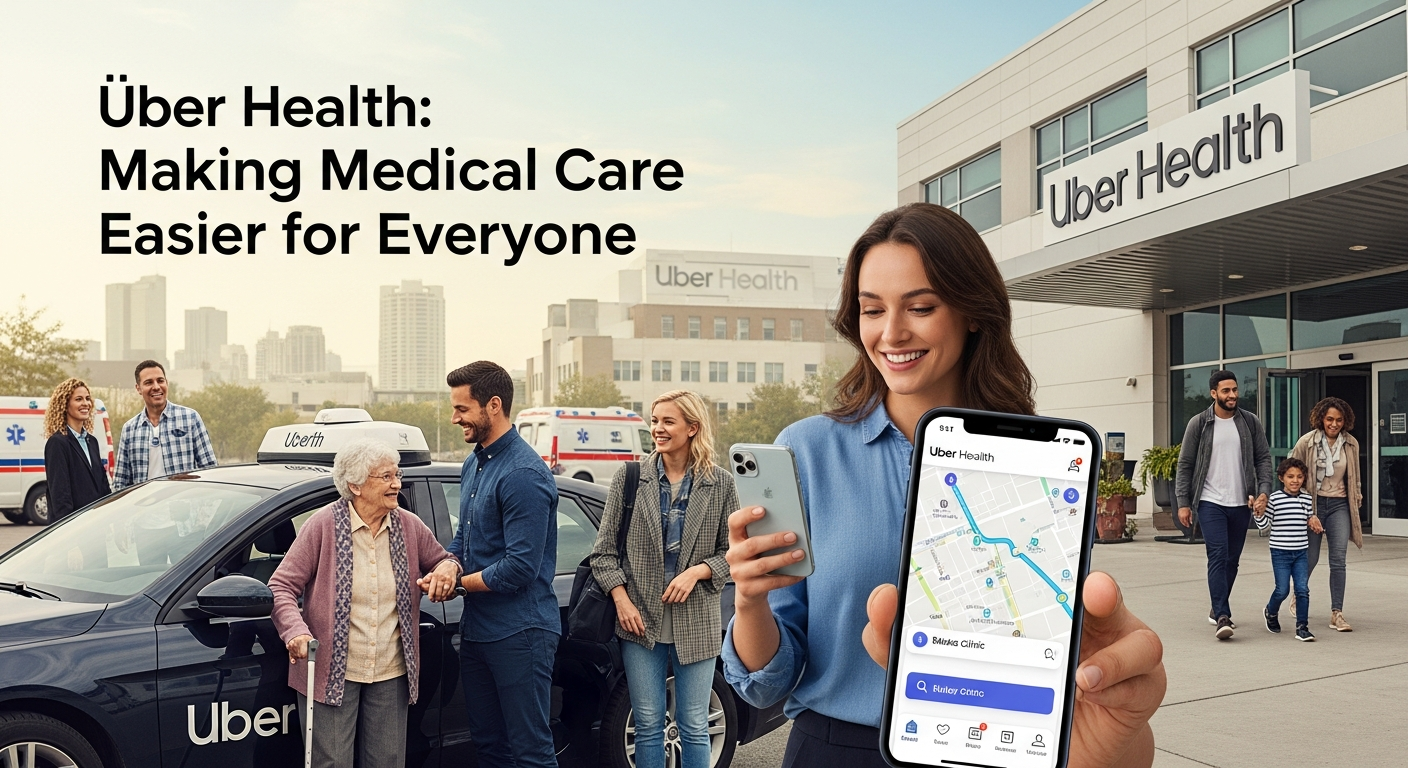
Healthcare can feel confusing and stressful. Getting to medical appointments should not be hard. Many people miss visits because they lack transportation. This is where Uber Health makes a real difference. It connects healthcare providers with safe, reliable rides for patients. No smartphone is required. No Uber app is needed. That simple idea has changed healthcare access for millions.
Uber Health focuses on patients first. Hospitals, clinics, and insurers use it to schedule rides. Patients get timely help without added stress. This service supports seniors, people with disabilities, and low-income families. It also helps hospitals reduce missed appointments. That saves time and money for everyone involved.
From my experience researching healthcare access, transportation remains a top barrier. Uber Health addresses that problem directly. It blends technology with care. The result feels human, not robotic. That matters in healthcare.
This guide explains how Uber Health works, who it helps, and why providers trust it. You will also see real examples and FAQs. Everything is written clearly and simply.
What Is Uber Health?
Uber Health is a healthcare transportation platform. It helps patients get to medical appointments. Healthcare organizations schedule rides on behalf of patients. Patients do not need a phone or an app. They receive ride details by text or call.
The service launched in 2018. It was built to reduce missed appointments. Many patients struggle with reliable transport. Uber Health fills that gap with ease. It works with Uber’s trusted ride network. Providers control pickup times, locations, and ride types.
Uber Health focuses on non-emergency medical transportation. This includes doctor visits, therapy, and pharmacy trips. It does not replace ambulances. Instead, it supports everyday care access.
What makes Uber Health special is control. Providers manage everything. Patients only need to be ready. This removes confusion and anxiety. It also protects privacy and safety.
Healthcare teams trust Uber Health because it is simple. It fits into existing workflows. It also provides reporting and cost tracking.
How Uber Health Works for Patients
Uber Health is designed for simplicity. Patients never need to download an app. That removes a big barrier for older adults. It also helps people without smartphones.
A healthcare provider schedules the ride. They enter pickup and drop-off details. The system matches a driver automatically. Patients receive clear ride updates. These come through text messages or calls.
Drivers are trained to follow healthcare standards. They know timing matters. Many patients feel less stress knowing a ride is guaranteed. That improves appointment attendance.
Patients can bring mobility aids. Providers can request specific vehicle types. This includes wheelchair-accessible rides. That flexibility supports many needs.
In my research, patients often fear being late. Uber Health removes that worry. The ride arrives on time. The process feels smooth and respectful.
How Healthcare Providers Use Uber Health
Healthcare providers use Uber Health through a dashboard. The system is easy to learn. Staff can schedule rides in minutes. No complex training is required.
Providers can book single or recurring rides. This helps patients with ongoing care. Clinics can also set spending limits. That keeps budgets under control.
Uber Health offers real-time tracking. Staff know when a patient arrives. That helps with scheduling and flow. It reduces waiting room delays.
Reporting tools show ride usage and costs. Providers can measure impact clearly. This supports better planning and accountability.
Many hospitals use Uber Health to reduce no-show rates. Missed appointments cost money and delay care. This solution improves outcomes.
Key Benefits of Uber Health
Uber Health brings many benefits to healthcare systems. The biggest benefit is access. Patients can reach care without stress.
It also improves health outcomes. Regular visits lead to better management. That is especially true for chronic conditions.
Cost control is another benefit. Providers only pay for rides used. There are no long-term contracts required.
The service saves staff time. Scheduling rides is quick. That lets teams focus on patient care.
Uber Health also supports health equity. It helps underserved communities. Transportation should not decide health outcomes.
From an SEO perspective, Uber Health solves a real problem. That makes it valuable, not promotional.
Uber Health and Patient Safety
Safety matters deeply in healthcare. Uber Health includes safety features. These protect patients during every ride.
Providers can choose trusted drivers. Ride details are logged and tracked. This creates accountability.
Patients receive clear pickup information. That reduces confusion and fear. Drivers know the trip is medical-related. That improves care and patience.
HIPAA compliance is also a priority. Patient information stays protected. Uber Health follows strict data rules.
In healthcare, trust is everything. Uber Health earns it by design.
Who Can Use Uber Health?
Uber Health is for healthcare organizations. This includes hospitals, clinics, insurers, and pharmacies. Individual patients cannot book directly.
Patients benefit indirectly. They receive rides arranged by providers. This keeps the process organized and safe.
Common users include seniors and people with disabilities. It also helps patients without cars. Rural communities benefit as well.
Mental health clinics also use Uber Health. Reliable rides support therapy attendance. That improves long-term outcomes.
This wide use shows the platform’s flexibility. It adapts to many care settings.
Uber Health vs Traditional Medical Transport
Traditional medical transport can be expensive. It often requires advance booking. It may also feel impersonal.
Uber Health offers faster scheduling. It uses everyday vehicles. This feels more normal and comfortable.
Costs are often lower. Providers only pay when rides happen. There are no wasted resources.
Patients also prefer familiar ride experiences. Uber Health feels less clinical. That reduces anxiety.
Both options have roles. Uber Health fits non-emergency needs best.
Cost and Pricing of Uber Health
Uber Health pricing is transparent. Providers pay per ride. Costs depend on distance and location.
There are no setup fees. There are no subscriptions required. This flexibility attracts many providers.
Billing is centralized. That simplifies accounting. Reports show clear spending data.
This pricing model supports budget planning. Providers can scale usage easily.
From a financial view, Uber Health reduces hidden costs. Missed visits decrease. Efficiency improves.
Real-World Examples of Uber Health
Many hospitals report fewer missed visits. Patients arrive on time more often. That improves care flow.
Dialysis centers use Uber Health daily. Reliable rides support life-saving treatment. Patients feel supported.
Mental health providers see better attendance. Transportation stress often blocks care. Uber Health removes that barrier.
These examples show real impact. The service is not theoretical. It works today.
Uber Health and Health Equity
Health equity means fair access to care. Uber Health supports that mission. Transportation often limits care access.
Low-income patients benefit greatly. So do rural communities. The service reaches where buses may not.
By removing travel barriers, care becomes fairer. That aligns with modern healthcare goals.
This focus improves community trust. Healthcare feels more inclusive.
The Future of Uber Health
Uber Health continues to grow. New features improve scheduling and reporting. Integration with health systems expands.
As healthcare moves digital, transportation remains physical. Uber Health bridges that gap.
I expect more partnerships ahead. The need is clear. The impact is proven.
FAQs About Uber Health
Is Uber Health free for patients?
Patients usually do not pay. Healthcare providers cover the cost.
Do patients need the Uber app?
No app is required. Ride details come by text or call.
Is Uber Health safe?
Yes. Safety features and tracking are included.
Can Uber Health handle wheelchairs?
Yes. Providers can request accessible vehicles.
Is Uber Health for emergencies?
No. It is for non-emergency medical transportation.
Who pays for Uber Health rides?
Hospitals, clinics, or insurers pay for rides.
Conclusion: Why Uber Health Matters
Uber Health solves a real healthcare problem. Transportation should never block care. This platform makes access simple and humane.
Patients feel respected. Providers save time and money. Outcomes improve naturally.
From my analysis, Uber Health succeeds because it feels human. It focuses on real needs. That builds trust.
If you work in healthcare, this service is worth exploring. If you are a patient, ask your provider about it. Better access starts with better support.
